 Merrion Design Review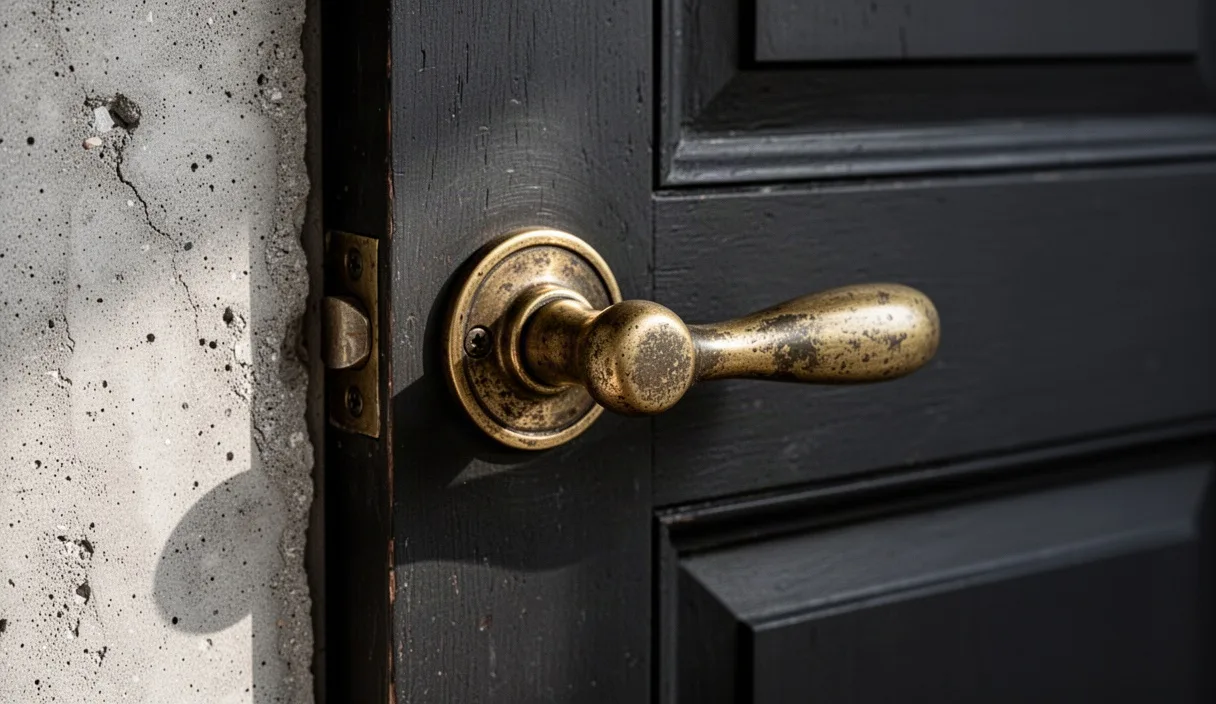

Unlacquered brass occupies a singular position in architectural hardware. When specified correctly, it offers an enduring tactile experience and an evolving surface tone that manufactured coatings fail to replicate. Because the metal remains bare, it engages continually with its environment, responding to atmospheric humidity, ambient pollutants, and the natural oils of the hands that operate it. For the architect and interior designer, this material requires both precise technical specification and a clear understanding of metallurgy, ensuring that client expectations align with the natural aging process over decades of domestic or commercial use.
The decision to employ unlacquered brass should never be treated as a purely aesthetic choice. It is fundamentally an engineering and maintenance commitment. Without protective sealants, the alloy reacts directly to its surroundings. This review outlines the structural compositions of primary architectural brasses, details the progression of natural oxidation, examines mechanical wear patterns across interior spaces, and establishes practical protocols for preservation and care.
Alloy Classifications: C36000 versus Cast Architectural Brass
Specifiers must distinguish between wrought or extruded alloys and cast brasses. The most common alloy for precision-machined elements, including lock cylinders, spindle assemblies, and turned cabinet knobs, is UNS C36000, known historically as free-cutting brass. This material typically contains approximately 61.5 percent copper, 35.5 percent zinc, and roughly 3 percent lead. The lead content imparts superior machinability, allowing manufacturers to achieve tight tolerances and crisp edges on modern computerized milling equipment. However, the higher proportion of zinc renders C36000 slightly brighter and more yellow in its unoxidized state, and it tends to patinate along a cooler, more brassy register over time.
In contrast, traditional door levers, escutcheons, and heavy cabinet backplates are often formed by sand casting or investment casting using alloys such as UNS C83600 (often termed ounce metal or red brass) or UNS C85700. C83600 contains approximately 85 percent copper, 5 percent tin, 5 percent lead, and 5 percent zinc. Because of the substantial copper concentration, cast architectural brass exhibits a deeper, warmer red-gold hue upon casting. Furthermore, the granular crystalline structure resulting from molten cooling produces a slightly textured surface that absorbs hand oils and ambient moisture differently than dense, extruded stock.
When assembling hardware schedules for an extensive property, pairing machined roses with sand-cast levers will occasionally produce minor variations in initial color and subsequent oxidation rates. Specifiers should note these discrepancies in advance, ensuring that clients understand that two distinct manufacturing processes yield complementary, yet non-identical, metal surfaces.
| Alloy Designation | Primary Composition | Manufacturing Method | Initial Tonality | Oxidation Character |
|---|---|---|---|---|
| UNS C36000 (Free-Cutting) | 61.5% Cu, 35.5% Zn, 3.0% Pb | Extruded, drawn, or milled | Bright, clean yellow-gold | Muted straw turning to light olive brown |
| UNS C83600 (Leaded Red Brass) | 85.0% Cu, 5.0% Sn, 5.0% Pb, 5.0% Zn | Sand casting or investment casting | Deep red-gold with slight warmth | Rapid rich umber and chocolate brown |
| UNS C85700 (Leaded Yellow Brass) | 63.0% Cu, 1.0% Sn, 1.0% Pb, 35.0% Zn | Die casting or permanent mold | Medium pale yellow | Gradual warm ochre |
The Chemical Process of Natural Atmospheric Oxidation
The term living finish refers directly to an ongoing chemical sequence. Clean, raw brass exposed to ambient air begins oxidizing immediately. The initial reaction involves atmospheric oxygen bonding with surface copper atoms to form cuprous oxide (Cu2O), an insoluble reddish compound. This thin oxide layer diminishes the high reflective shine of the freshly milled or polished metal, shifting it toward a muted, mellow gold within days of installation.
As exposure continues, secondary reactions take place. Atmospheric moisture combines with sulfur dioxide, carbon dioxide, and localized environmental gases to transform portions of the surface cuprous oxide into cupric oxide (CuO), which is dark brown or black. In maritime atmospheres, airborne chloride salts accelerate this transformation, occasionally generating basic copper carbonates or copper chlorides, known colloquially as verdigris. While verdigris is chemically stable, many property owners find localized turquoise or green crusting objectionable on interior ironmongery.
Human skin chemistry serves as a strong catalytic agent in this progression. Perspiration contains water, sodium chloride, lactic acid, and small quantities of urea, alongside fatty acids from sebaceous glands. The slightly acidic nature of skin contact (typically falling between pH 4.5 and 5.5) creates a dual phenomenon: it strips away nascent oxidation on direct contact points while redistributing microscopic salt and lipid deposits onto adjacent metal boundaries, fueling localized chemical reactions.
Touch Points and Spatial Friction: Where Patina Forms
Patination on architectural ironmongery is rarely uniform. The aesthetic value of unlacquered hardware relies precisely on this spatial contrast, which reflects the patterns of physical life within an interior. On an unlacquered lever handle, the central barrel where fingers clasp the metal remains burnished, bright, and pale, because constant mechanical abrasion removes atmospheric oxides as quickly as they develop.
Conversely, the underside of the handle, the neck of the lever, and the recessed portions of the escutcheon receive little to no direct physical friction. Airborne moisture and settled dust settle undisturbed into these crevices, allowing the copper oxides to deepen without interruption into dark tones of bronze, hazel, and charcoal. Over months of use, this creates a distinct highlighting effect, where raised edges gleam and recesses present a shadowed, aged depth.
Hardware placed in specialized rooms exhibits distinct localized behaviors:
- Kitchen Cabinetry: Handles situated near cooking ranges encounter airborne vaporized cooking oils, which form a sticky film that attracts particulates and retards clean atmospheric oxidation, producing an irregular, blotchy appearance if left uncleaned.
- Bathroom Suites: Elevated relative humidity and aerosolized hygiene products accelerate oxidation, often yielding darker, almost gunmetal grey tones on the backplates of privacy turns and pull handles within eighteen months.
- Exterior Entry Doors: Sunlight, driving rain, and windborne dust work together to wash away loose oxides while driving deeper chemical changes, requiring seasonal attention to prevent dry pitting.
Maintenance Protocols for Conserving Living Finishes
The objective of maintaining unlacquered brass is not to restore the metal to a mirrored, newly polished state, but rather to stabilize the natural patina and prevent the accumulation of damaging surface contaminants. Hardware should be tended with gentle mechanical methods and neutral compounds. The following sequence provides a reliable maintenance schedule for interior hardware.
Surface Cleansing and Degreasing
Begin by removing surface grime, cooking residues, and built-up skin oils. Moisten a lint-free cotton cloth with warm water containing a modest amount of pure, pH-neutral conservation soap. Wring the cloth thoroughly until it is barely damp. Wipe the entire surface of the hardware, paying attention to the crevices around the rose and the base of the handle. Immediately follow with a dry, clean micro-fiber cloth to absorb any lingering moisture. Under no circumstances should hardware remain wet, as water beads dry into permanent ringed mineral deposits on unsealed copper alloys.
Surface Stabilization and Deep Conditioning
If the hardware shows patchy green copper carbonate encrustations caused by high humidity, these areas should be addressed before applying protective waxes. Apply a small droplet of pharmaceutical-grade liquid paraffin or refined mineral oil to a soft-bristled horsehair brush. Work the bristles gently over the afflicted joint or surface crevice in circular strokes. The oil loosens the crust without scratching the sound metal beneath. Wipe away the excess oil and dissolved salts using a dry cotton rag.
Application of Microcrystalline Wax
To control the rate of ongoing oxidation and seal the metal from aggressive skin acids, apply an ultra-thin barrier coat of microcrystalline conservation wax. Unlike standard beeswax or carnauba blends, microcrystalline wax is chemically inert, resistant to heat, and free from natural acids that could corrode the metal over time.
- Take a modest quantity of microcrystalline wax onto a clean piece of cotton jersey or flannel cloth.
- Spread the wax across the entire brass fixture in a light, uniform layer, taking care not to allow excess wax to collect in screw heads, keyways, or relief cuts.
- Allow the solvent carrier to evaporate completely, which typically takes between fifteen and twenty-five minutes depending on room temperature and ventilation.
- Buff the surface vigorously with a clean, dry horsehair brush or a dense flannel cloth. This action smooths the wax layer to a micro-thin, moisture-resistant shield that imparts a soft, satiny glow while leaving the underlying patina entirely visible.
Comparative Durability Against Lacquered and PVD Coatings
Specifiers frequently weigh unlacquered brass against modern sealed options, specifically clear organic lacquers and Physical Vapor Deposition (PVD) coatings. Each finish provides distinct operational benefits and structural limitations, which must be weighed against the functional demands of the project.
Clear lacquers, generally comprising baked acrylics, urethanes, or traditional nitrocellulose, create an impenetrable barrier that protects the metal from atmospheric oxygen. While effective initially, lacquer exhibits an inherent service life. Over three to seven years of steady domestic use, rings worn on hands or sharp impacts from keys chip the brittle lacquer film. Once breached, moisture and oxygen creep beneath the edges of the coating, causing localized oxidation that cannot be wiped away. Repairing damaged lacquer requires the complete mechanical or chemical stripping of the entire hardware component, an arduous process rarely undertaken in occupied residences.
Physical Vapor Deposition (PVD) represents the opposing technical extreme. In a vacuum chamber, a thin layer of titanium nitride or zirconium nitride is bonded vaporously to a brass or stainless steel substrate at high temperatures. The resulting surface is extremely hard, often exceeding 2000 Vickers in hardness, and remains entirely impervious to tarnishing, corrosion, and everyday mechanical scratching. However, PVD remains static. It will never develop depth, highlight points of contact, or soften in appearance. Furthermore, if a PVD finish is scratched by heavy impact, it cannot be blended or polished on site.
Unlacquered brass offers self-support properties that manufactured surfaces lack. Minor scratches, contact marks, and water spots gradually blend back into the surrounding surface as the exposed copper oxidizes to match the adjacent metal. The durability of raw brass lies not in complete scratch resistance, but in its capacity to gracefully assimilate structural wear into an authentic, historical surface tone.
Common Mistakes When Specifying Raw Brass
Failures with unlacquered brass hardware generally stem from poor installation procedures or inadequate post-occupancy guidance. Architects and specifiers should actively protect against several typical errors:
- Premature Installation During Construction: Installing bare brass fittings prior to the completion of wet plastering, interior painting, or floor sanding exposes the raw metal to airborne plaster dust, paint vapors, and acid-based wood stains, causing immediate, irreversible mottling.
- The Use of Aggressive Metal Cleaners: Using aggressive abrasive polishes containing ammonia or coarse silica destroys the delicate, organic strata of natural patina, stripping the alloy back to an uneven, high-sheen yellow state that will tarnish irregularly.
- Deploying Raw Brass in Chlorinated Environments: Specifying unlacquered brass in enclosed indoor swimming pools or adjacent spa facilities guarantees severe corrosion. Chloramines in the ambient air react aggressively with copper, leading quickly to dark pitting and green flaking.
- Neglecting Hand Protection During Fit-Out: Joiners and installers handling raw brass without clean white cotton gloves will leave distinct, acid-etched finger prints that become indelibly visible within three weeks of installation.
Practical Steps for the Project Schedule
To successfully incorporate unlacquered brass into an architectural project, specifiers should establish a systematic implementation process from the early stages of scheduling through to final handover.
First, secure full-scale control samples from your chosen ironmongery manufacturer. Place these samples on the construction site for four to six weeks, exposing them to the specific light and humidity conditions of the building. This provides the client with a direct, tangible reference for how the metal behaves in their unique environment, removing any romantic misconceptions about static appearances.
Second, mandate in the architectural specification that all finish hardware be delivered in sealed protective packaging and stored in a climate-controlled room on site. The hardware schedule must explicitly prohibit the installation of decorative unlacquered components until all wet trades, floor treatments, and final room cleanings are thoroughly concluded.
Finally, compile a concise, laminated care guide for the client and their facilities management team, referencing the conservation protocols detailed above. If complex heritage mechanisms or heavily exposed exterior fittings require deep restoration in the future, stipulate that a qualified architectural metal conservator or professional hardware restorer be retained rather than standard domestic maintenance staff.